By Deborah A. Ten Brink
Will A Low Appraisal End Your Home Purchase Transaction?
Part 1
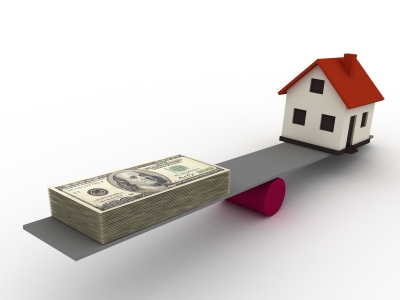 You’ve been watching, waiting, and saving your money. Now, you’re ready to act — it’s time to buy a home. You took a common-sense approach, you stuck to your budget, watched and hovered over your credit, and then you carefully chose the right lender and the right mortgage product. You breathe a sigh of relief; you’re now pre-approved for your mortgage!
Shopping for a new home is exciting, but it’s normal to have bouts with fear and doubt as well. I highly recommend the services of an experienced REALTOR® that is very familiar with the market you are looking to buy in. If you’ve chosen wisely, the REALTOR® can take away a great deal of anxiety and help prepare you for the process so you feel more in control. A REALTOR® can also point you in the right direction so that you find that perfect home sooner rather than later. A good REALTOR® can help you avoid all the common mistakes home-buyers typically make.
After seeing several houses, you find the perfect home, make an offer and it’s accepted! Have you bought a new home? No, not yet. After receiving a copy of the purchase contract, the lender will order an appraisal. Most new home-buyers don’t worry too much at this stage. This is their perfect new home and it has to appraise… or does it?
Appraisers are state licensed professionals. Sometimes lenders have appraisers on staff, or they may contract with an independent appraiser. Don’t be surprised if you are allowed to choose the appraiser and the lender is not familiar with them, the lender may subject your appraisal to a review prior to accepting it. Ideally, for the most objective appraisal, choose a third party who has no financial or other connection to any of the parties involved in your transaction. Your appraisal is usually paid for upfront, by you, prior to the lender ordering it.
Why Is The Appraisal So Important To The Lender?
Appraisals are very detailed reports. The lender will have details about the property that you want to buy (called “the subject property”), as compared to similar properties (usually 3 called “comparable properties” or “comps”). Here are other things contained in your residential appraisal report:
•An overall real estate market snapshot of the subject property area.
•Any comments about serious property flaws, like a cracked foundation.
•Any serious issues that the appraiser feels may harm the value of the property.
•Average days on the market for the area before the property sells.
•A description of the type of area the property is located in.
•A Description of the street and access to the property.
Why Is The Appraisal So Important To You?
Appraisers are very skilled at taking the relevant information gathered during the appraisal process and determining the value of a home. On the one hand, the value of the home will be derived at by an appraiser but a buyer will ultimately determine the market price, or what a property will sell for. When you agree to pay a certain price and it’s accepted by the seller, you have just set the dollar or market value for the property.
The main reason the appraisal is important to you is because you want a final loan commitment; this typically is directly tied to a satisfactory appraisal. Especially in a shaky economy, the lender needs to be assured that its investment is covered if you should default (not pay according to the mortgage note) on the loan. Should the property appraise lower than what your contracted sales price is, your loan may be declined or denied. But this is not the only difficulty you may face with a lower appraisal. Stay tuned for Part 2 of “Will A Low Appraisal End Your Home Purchase Transaction?”