Queen Elizabeth, Britain’s longest-reigning monarch, the nation’s figurehead, and a towering presence on the world stage for seven decades, died peacefully at her home in Scotland on Thursday aged 96.
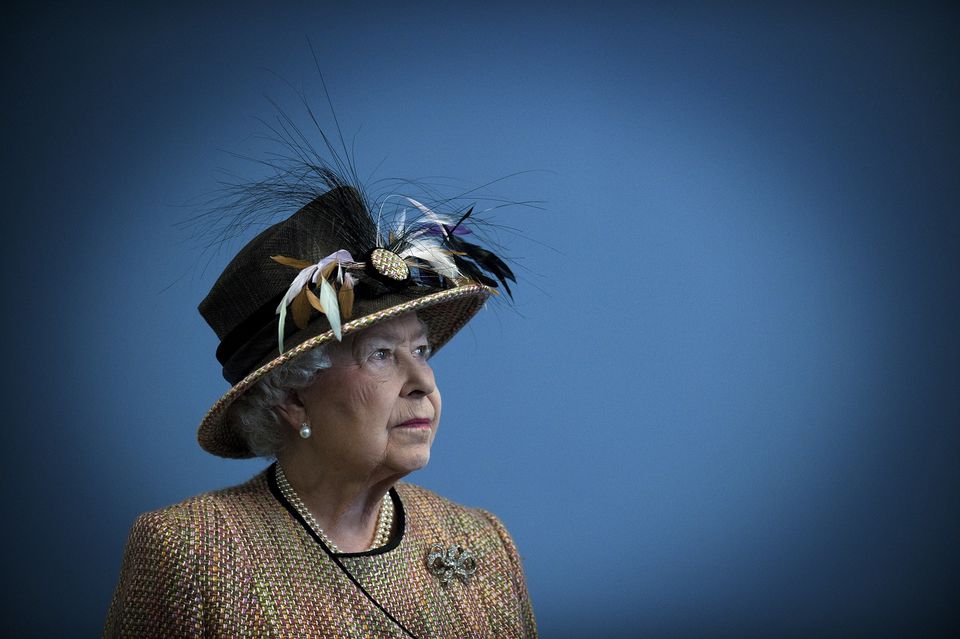
“The death of my beloved Mother, Her Majesty the Queen, is a moment of the greatest sadness for me and all members of my family,” the new king, her eldest son Charles, said.
“We mourn profoundly the passing of a cherished Sovereign and a much-loved mother. I know her loss will be deeply felt throughout the country, the Realms and the Commonwealth, and by countless people around the world,” the 73-year-old said in a statement.
Buckingham Palace said Charles and his wife Camilla, the Queen Consort, would remain at Balmoral Castle, where the queen died, before returning to London on Friday.
On Elizabeth’s death, Charles automatically becomes king of the United Kingdom and the head of state of 14 other realms including Australia, Canada and New Zealand. His office confirmed we would be known as Charles III.
News that the queen’s health was deteriorating emerged shortly after midday on Thursday when her doctors said she was under medical supervision, prompting her family to rush to be by her side.
The queen had been suffering from what Buckingham Palace had called “episodic mobility problems” since the end of last year, forcing her to withdraw from nearly all her public engagements.
Her last public duty came only on Tuesday, when she appointed Liz Truss prime minister – the 15th of her reign.
“The death of Her Majesty the Queen is a huge shock to the nation and to the world,” Truss said outside her Downing Street office where the flag, like those at royal palaces and government buildings across London, were lowered to half-mast.
Queen Elizabeth II, who was also the world’s oldest and longest-serving head of state, came to the throne following the death of her father King George VI on Feb. 6, 1952, when she was just 25.