In Lee County, the mosquito control district’s sentinel chicken flocks have identified West Nile Virus in the area.
“We most recently found them in Lehigh, North Fort Myers, and central Fort Myers, down by Bonita (Springs) and on Pine Island,” said Eric Jackson, deputy director at Lee County Mosquito & Hyacinth Control Districts. “Pretty much throughout the county.”
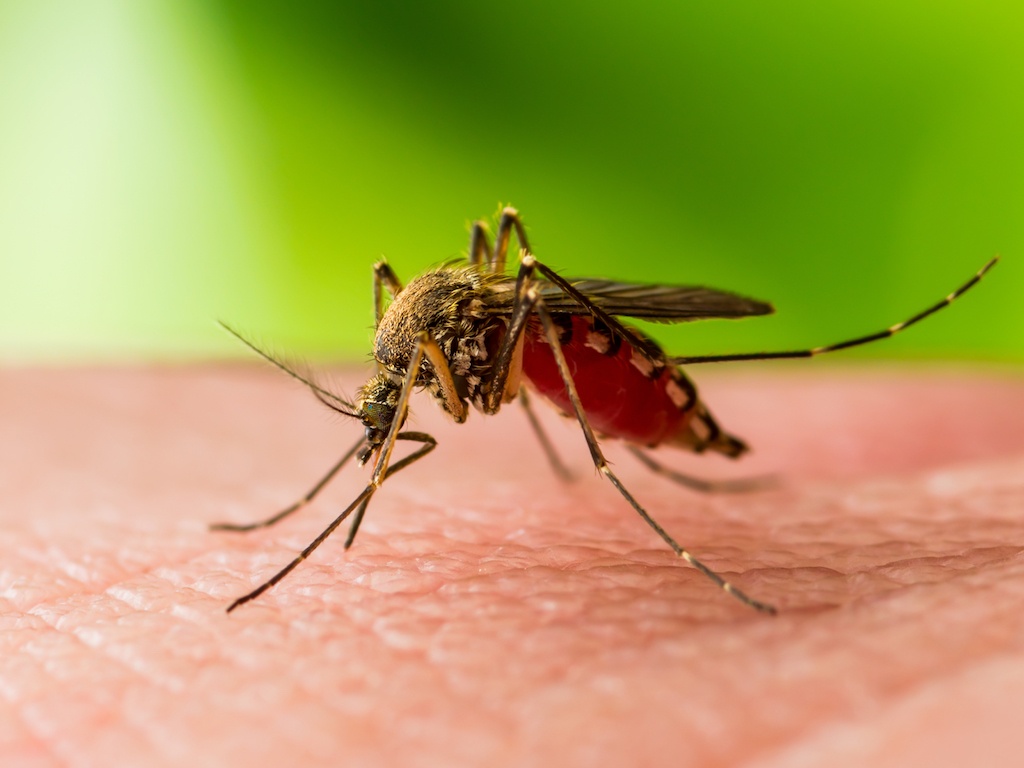
The mosquitos that carry the West Nile virus, called Culex, can lay eggs on top of standing water, so it’s important for residents around Southwest Florida to dump any standing water in their yards on a weekly basis.
And culex, a species that is native to the area, prefers dirty, nutrient-rich waters.
Lee County mosquito control district is applying larvicide and adulticide to curb the pesky mosquito populations and keep human diseases at bay.
“There’s a lot of boots on the ground,” Jackson said.
Jackson urges residents to stay vigilant around their yards. Dumping water from buckets, birdbaths and making sure fountains and pools aren’t stagnant breeding grounds.
“Another thing to pay attention to are gutters on houses,” Jackson said. “You could have mosquitoes growing right above head because you have clogged gutters. That’s just perfect for those mosquitoes to grow.”
To avoid bites, the Centers for Disease Control and Prevention recommends using a repellent with one of six active ingredients, such as DEET, Picaridin, IR3535, oil of lemon eucalyptus, para-methane-diol, or 2-undecanoate.
“When used as directed, EPA-registered insect repellents are proven safe and effective, even for pregnant and breastfeeding women,” the CDC’s website says.